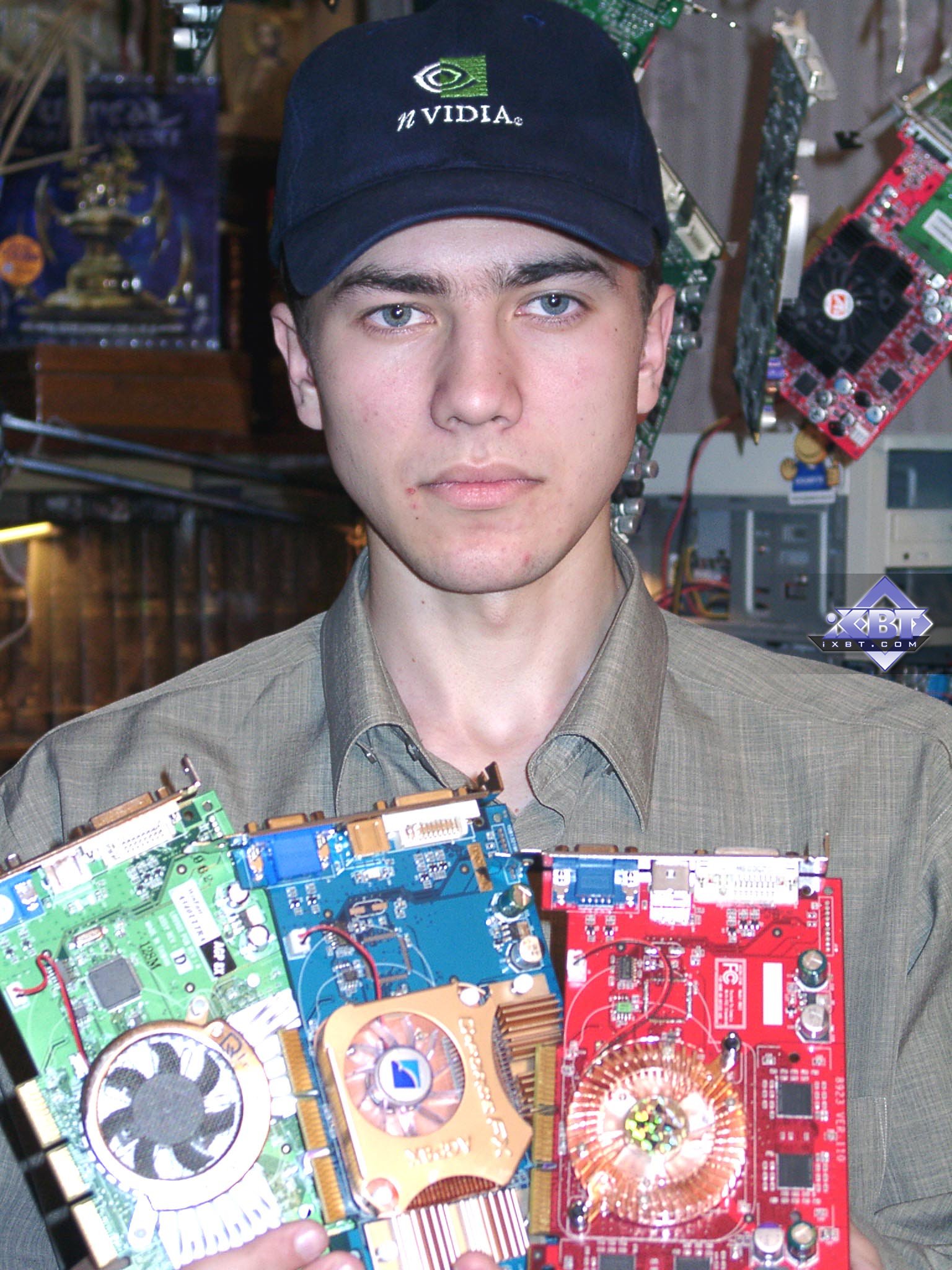
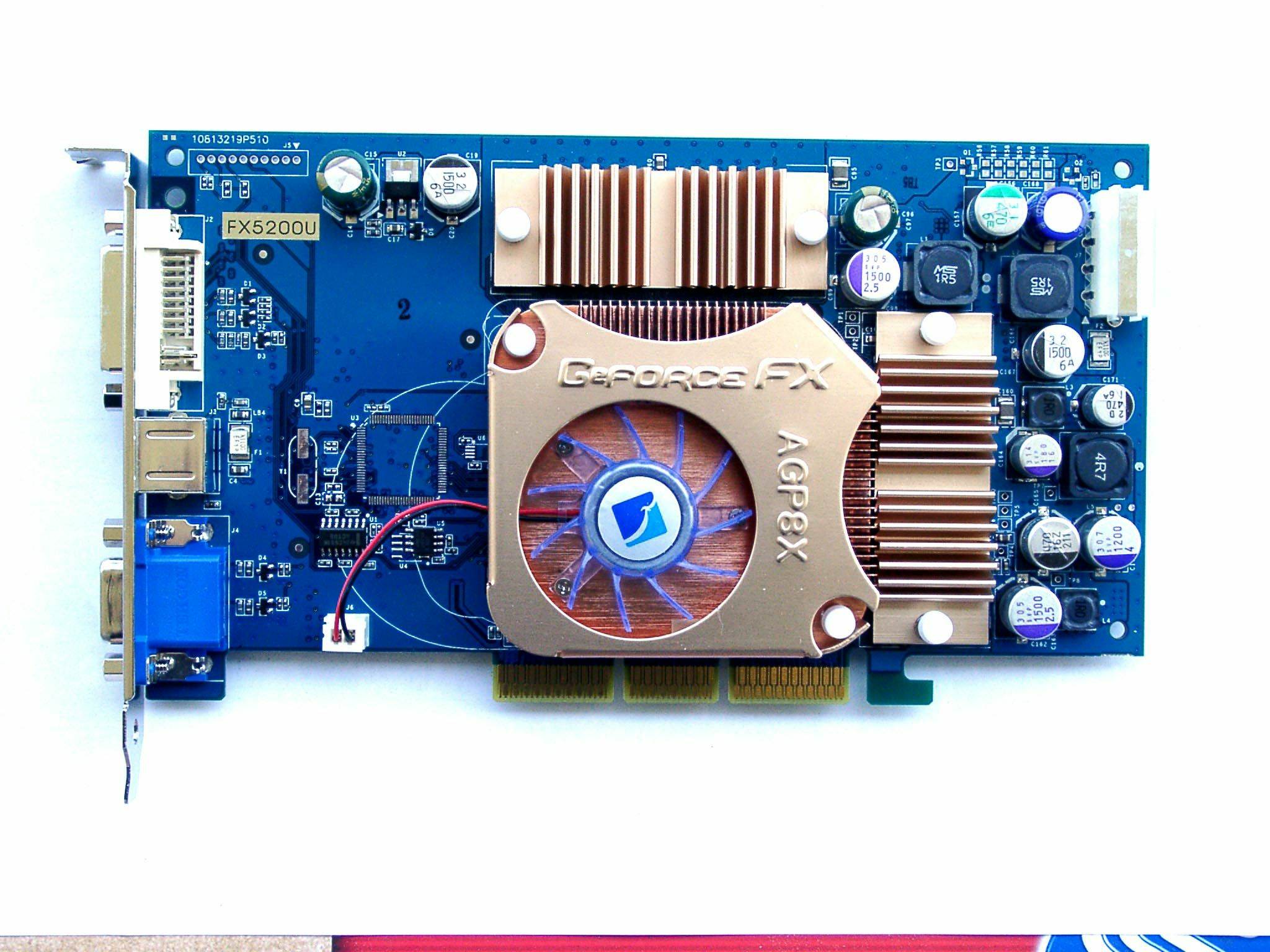
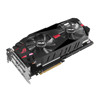
Albatron Gigi GeForce FX 5200 Ultra 128MB,
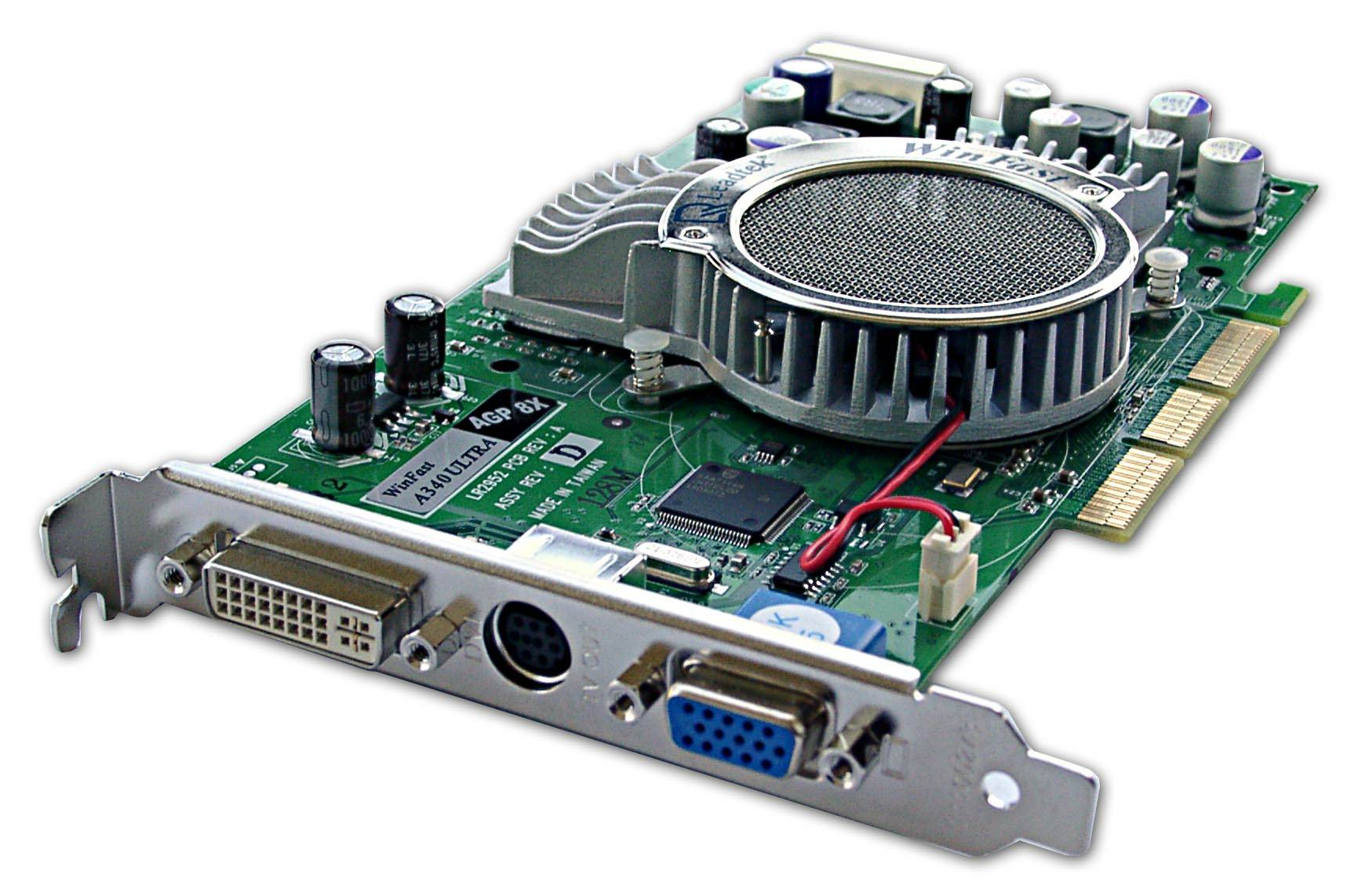
Leadtek WinFast A340 Ultra TD 128MB
MSI FX5200 Ultra-TD128 (MS-8923) Video Cards (NVIDIA GeForce FX 5200 Ultra)
|
CONTENTS
-
Video cards' features
-
Testbeds, test tools, 2D quality
-
Comparison of the video cards' performance
-
Conclusion
"My poor granddaughter! Poor we! Woe is me! bitterly lament
Granny and Grandpa. The grandchildren come in and ask: "Why are you crying?
What happened?" The granny says in tears: "We just thought.. what if the
weather were stormy, the boat overturned, you drowned, - we would
be left alone, woe is us!" The grandson replied: "It looks like that you
are going to live alone indeed. Because we can't stand such fools any more."
Poor users! What should they do?! Everyone cheats them! A new cover but
the same 3D performance..." However, it's reasonable. What do users get
from the GeForce FX 5200? Isn't the speed they had with the GeForce4 MX?
Or RADEON 9000? And what will they get from the RADEON 9200? Isn't the
speed of the RADEON 9000? And what about the GeForce FX 5600 which is more
expensive than the GeForce4 Ti 4200 but works slower? There are some modes
when new solutions look beneficial. But 15% of users at most use them.
But the marketing harvester devours much... Sometimes even owners of the
GeForce4 Ti 4600 ask whether they should replace their cards with the GeForce
FX.
On one hand, it's clear that DX9 applications will appear only in a
year or a year and a half, and now all the DX9 stuff is needed only for
developers and researchers; secondly, when such games finally arrive, the
whole current GeForce FX line will be at the tail-end at such speed, the
5900 Ultra will hardly manage them, not to mention 5200 and 5600. Just
look at the demos: only 1-3 heroes are well rendered, with shaders being
used entirely. All the rest is either a background or foggy textures. But
even in such demos the speed is rather low. Look at the speeds in the high-detail
scenes of the 3DMark03 with a huge amount of shaders! It's not more than
30 fps, and it can be even 10 fps. And this is how the flagships work!
On the other hand, the new-comers, in particular, from NVIDIA, have
something else except the DX9. They also cover full support of all anisotropy
levels (in contrast to the GF4 MX), MSAA, a higher anisotropy speed as
compared to the GeForce4 Ti. This is a strong point of the GF FX. But few
users need it. It makes no sense for owners of the GeForce4 Ti, RADEON
9500 and higher to consider new solutions from NVIDIA or ATI. When the
flagships (RADEON 9800 PRO, GeForce FX 5900 ULTRA) get affordable prices,
you can then consider the replacement.
But if you are going to replace your old GF2, RADEON 7200-7500 or even
GF4MX cards with something new to play games with shaders and 3DMark, you'd
better take DX9 accelerators rather than RADEON 9000 or GeForce4 Ti. But
the prices are still extremely high, and we can't properly compare them
($170 for the GF FX 5600 against $130 for the GeForce4 Ti etc.). However,
the latest models will soon catch up with the old accelerators in the price-cut
rates and become very advantageous in all aspects (if you remember, it
took half a year for the GeForce2 MX to gain popularity; the GeForce4 MX
was in a similar situation etc.).
The question is what to choose: 5200? 5600? 5800? Also, there are intermediate
solutions: 5200 Ultra, 5600 Ultra... Is the 5200 Ultra better or worse
than the 5600? Some answers are given in the reviews listed below.
Theoretical materials and reviews related to GPU NVIDIA GeForce
FX features and functionality
The today's review will also partially answer these questions. We are dealing
with the high-rank low-end cards. Like a general of a mice army :-). These
cards have already entered the junior platoons of the Middle-End sector.
But still, they are positioned around $100 (100-110), which is the upper
limit of the Low-End sector.
The cards came from Albatron, MSI and Leadtek. All the companies are
well known in the IT sphere. I just want to focus on the fact that Albatron
is rapidly gaining the authority though the company is only 3 years old
(after reorganization and beginning of sales of PC components).
Cards
| Albatron Gigi GeForce FX 5200 Ultra 128MB |

|
| Leadtek WinFast A340 Ultra TD 128MB |

|
| MSI FX5200 Ultra-TD128 (MS-8923) |

|
| All the cards have AGP X2/4/8 interface, 128 MB DDR SDRAM
in 8 chips on both PCB sides. |
| Albatron Gigi GeForce FX 5200 Ultra 128MB; Leadtek WinFast
A340 Ultra TD 128MB; MSI FX5200 Ultra-TD128 (MS-8923) |
| Hynix memory chips of 2.8ns access time which corresponds to
350 (700) MHz, but the memory works at 325 (650) MHz. The GPU is clocked
at 325 MHz. |

|
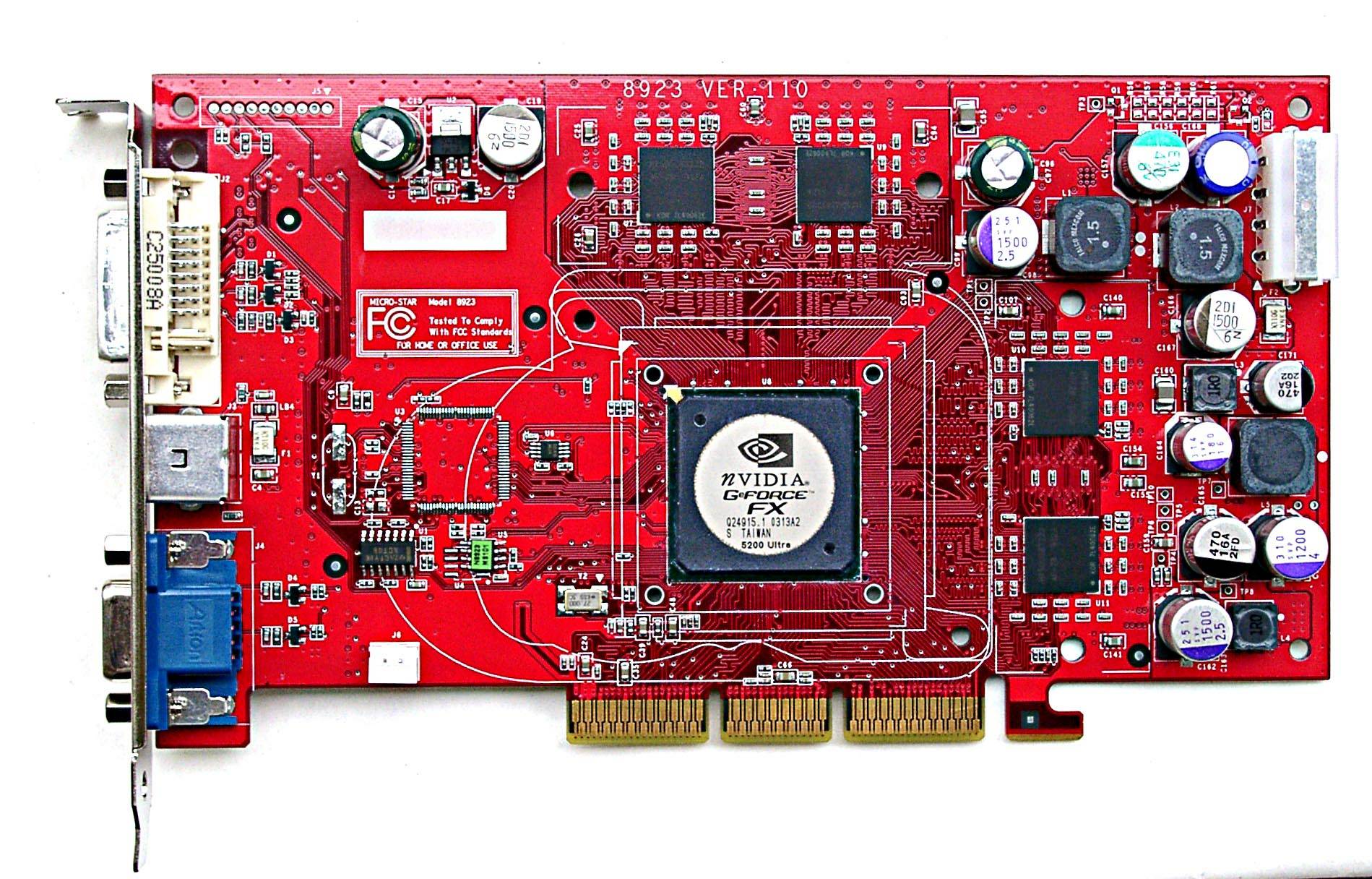
| Comparison with the reference design, front view |
| Albatron Gigi GeForce FX 5200 Ultra 128MB |
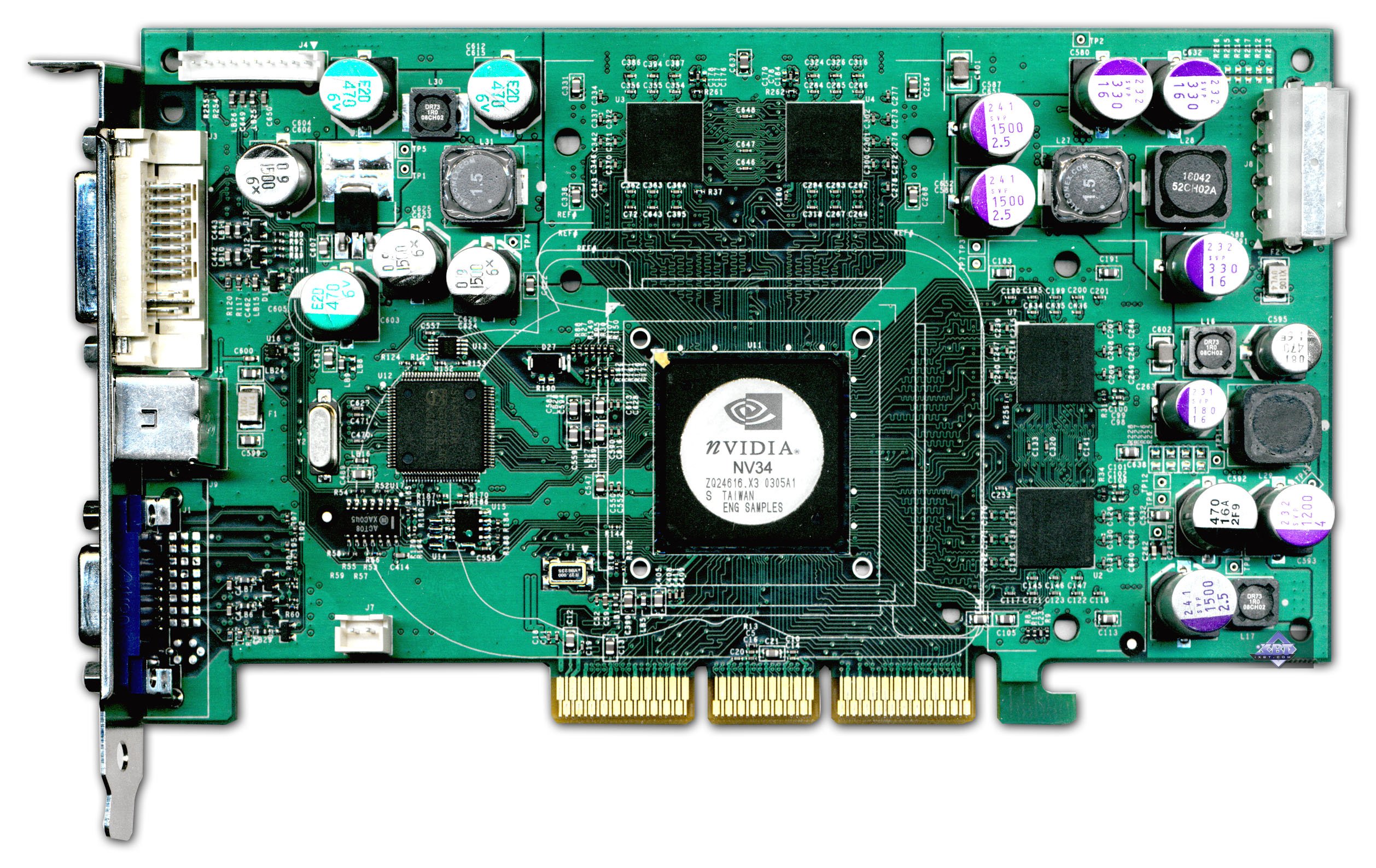
Reference card NVIDIA GeForce FX 5200 Ultra |

|

|

|
| Leadtek WinFast A340 Ultra TD 128MB |

|

|
| MSI FX5200 Ultra-TD128 (MS-8923) |

|

|
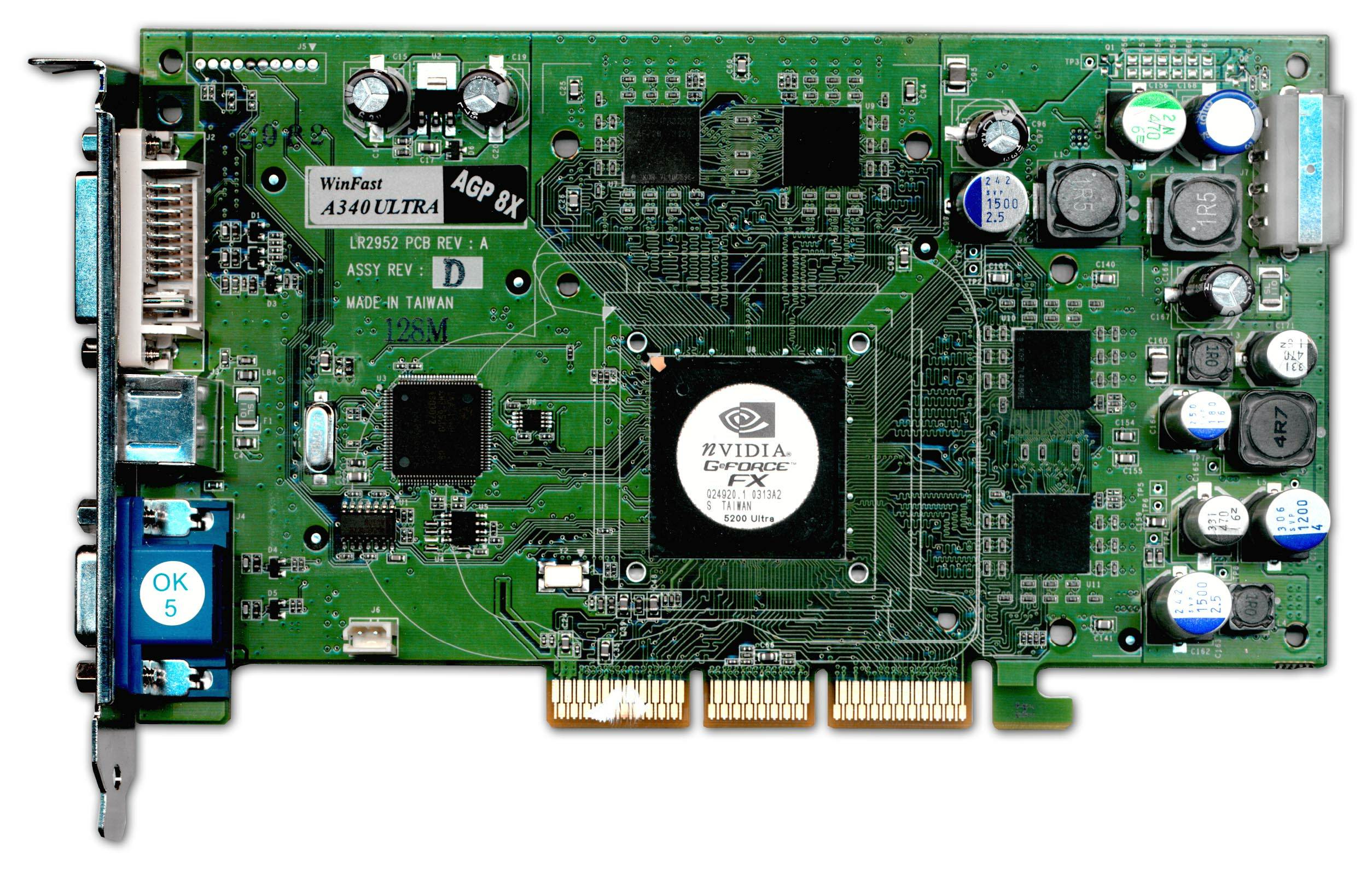
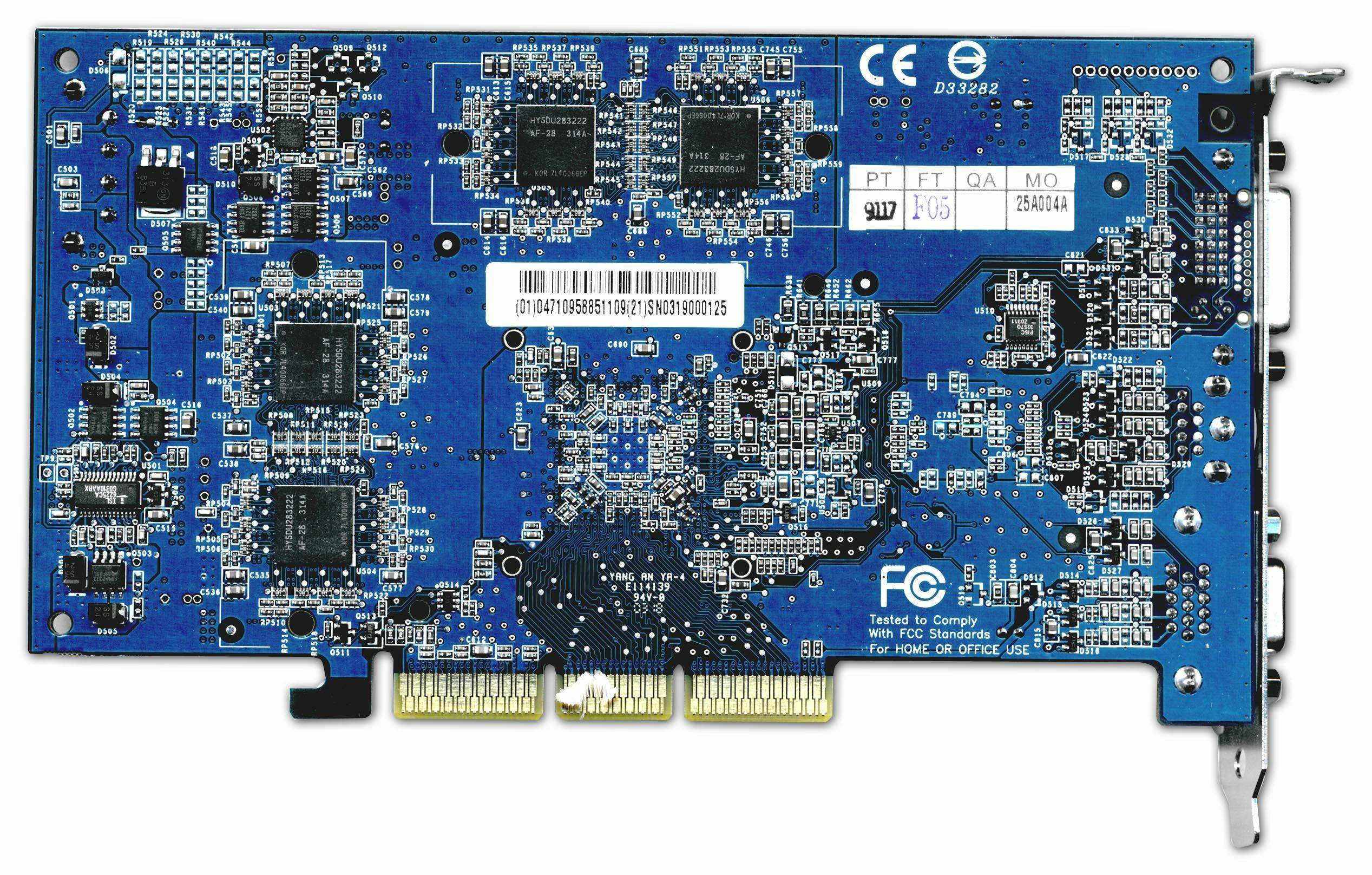
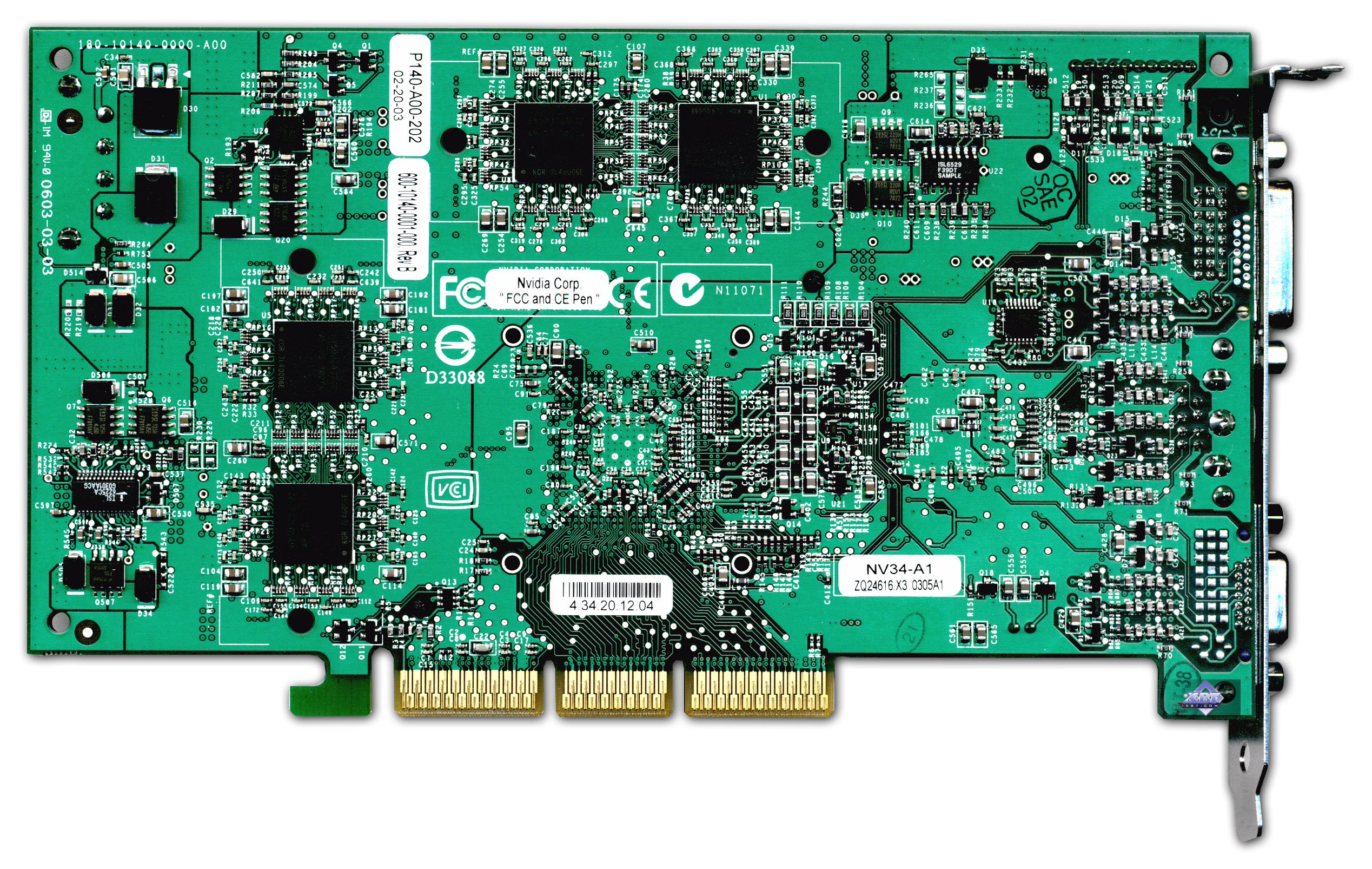
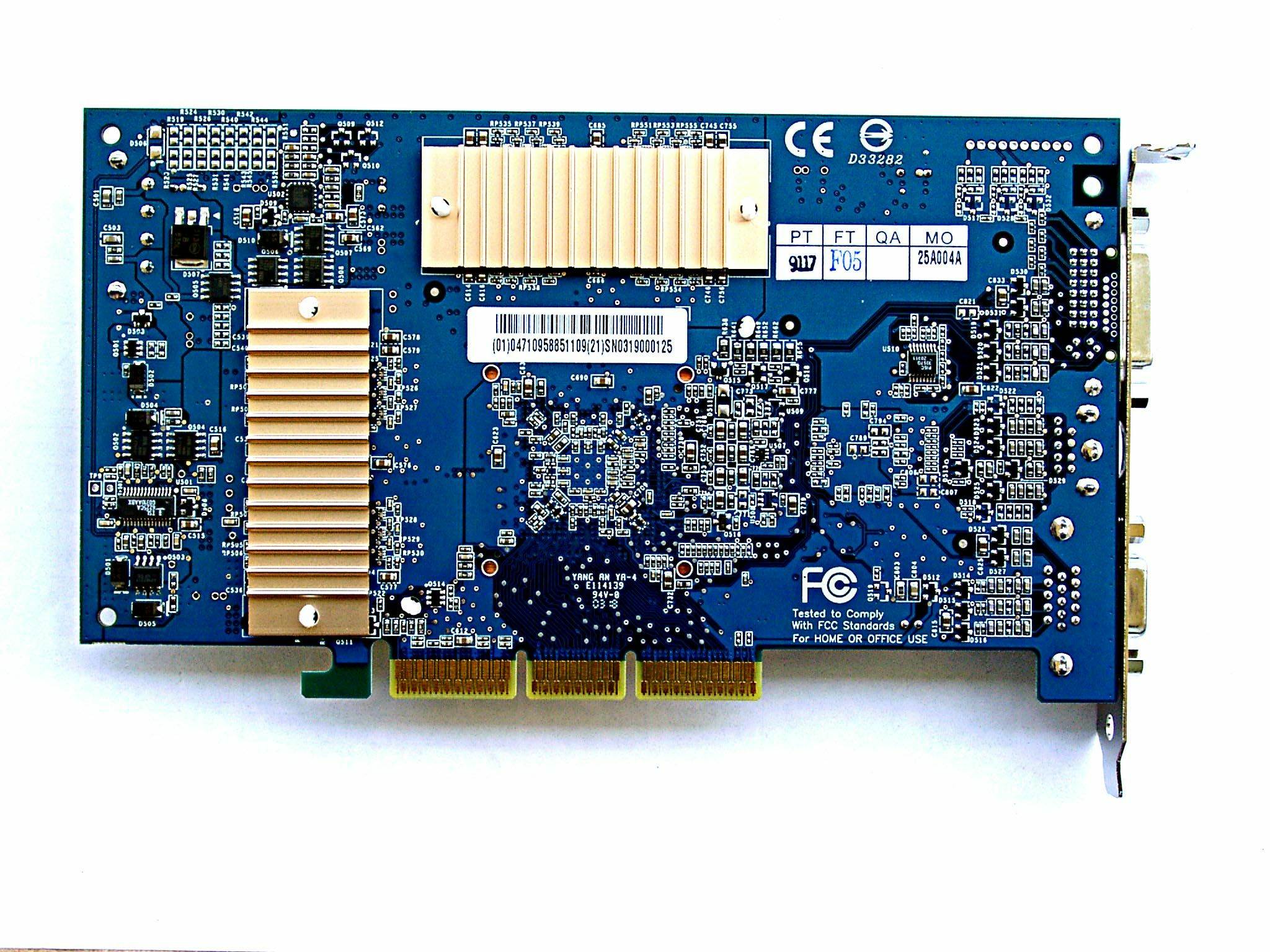
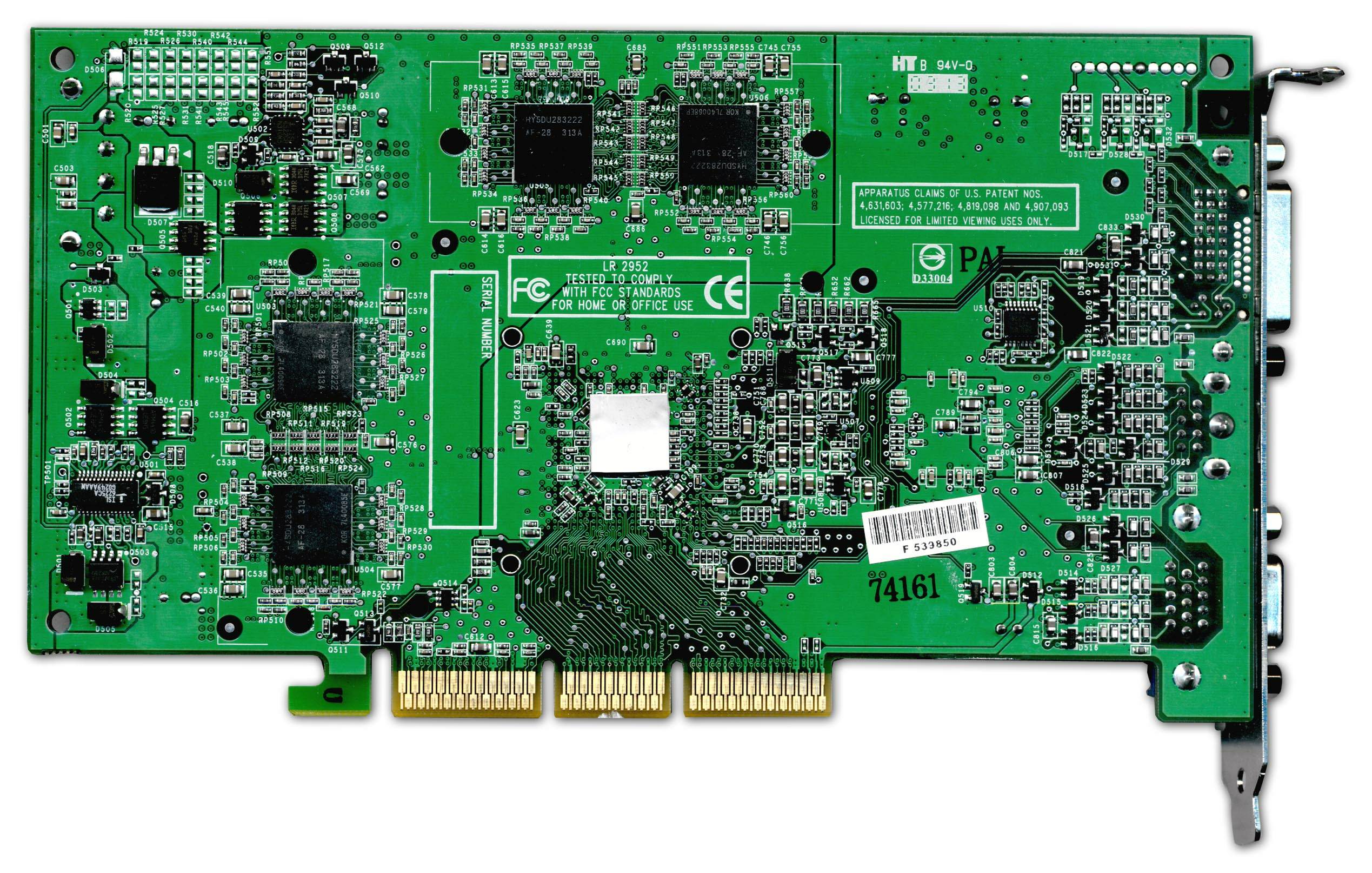
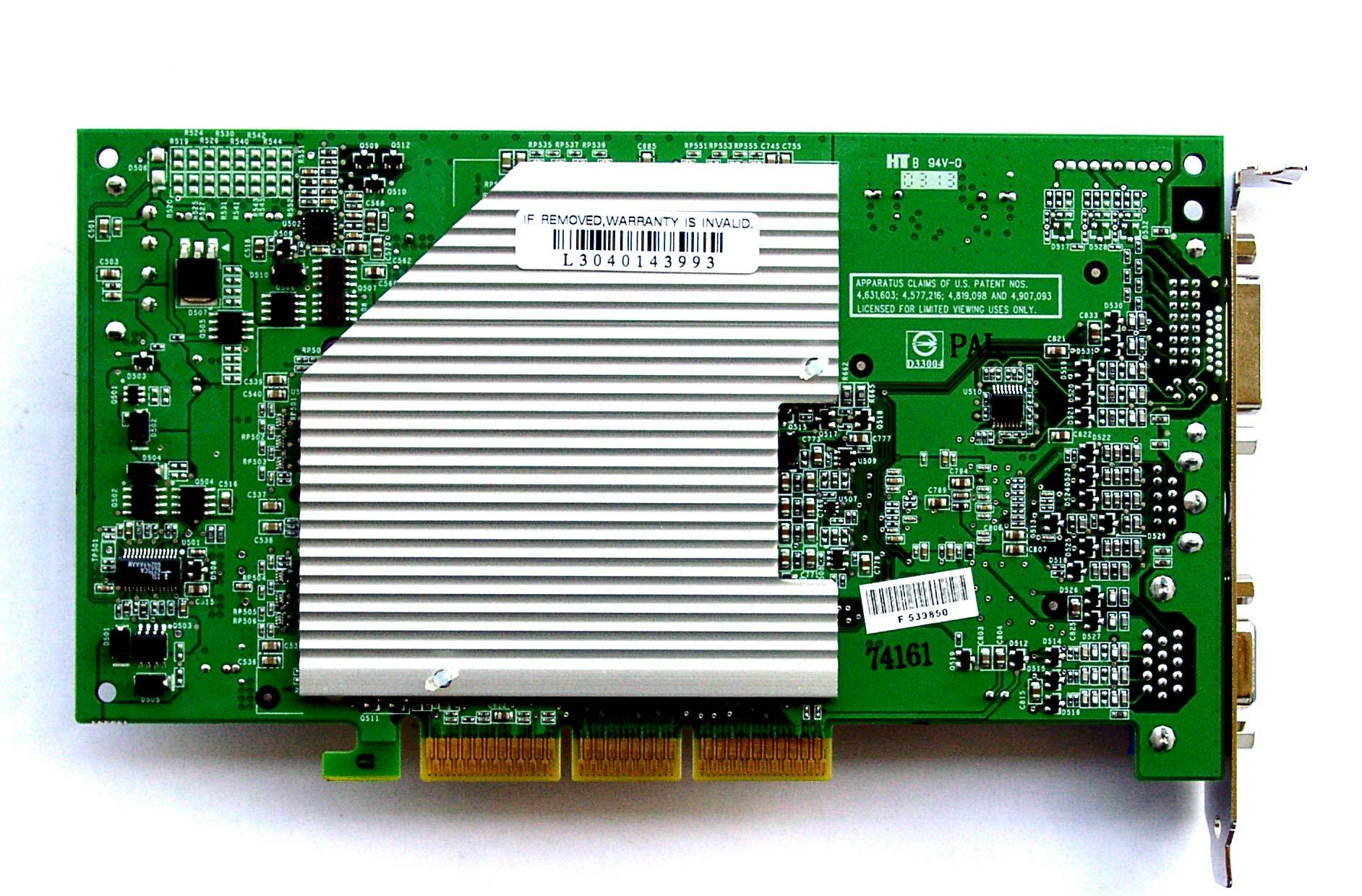
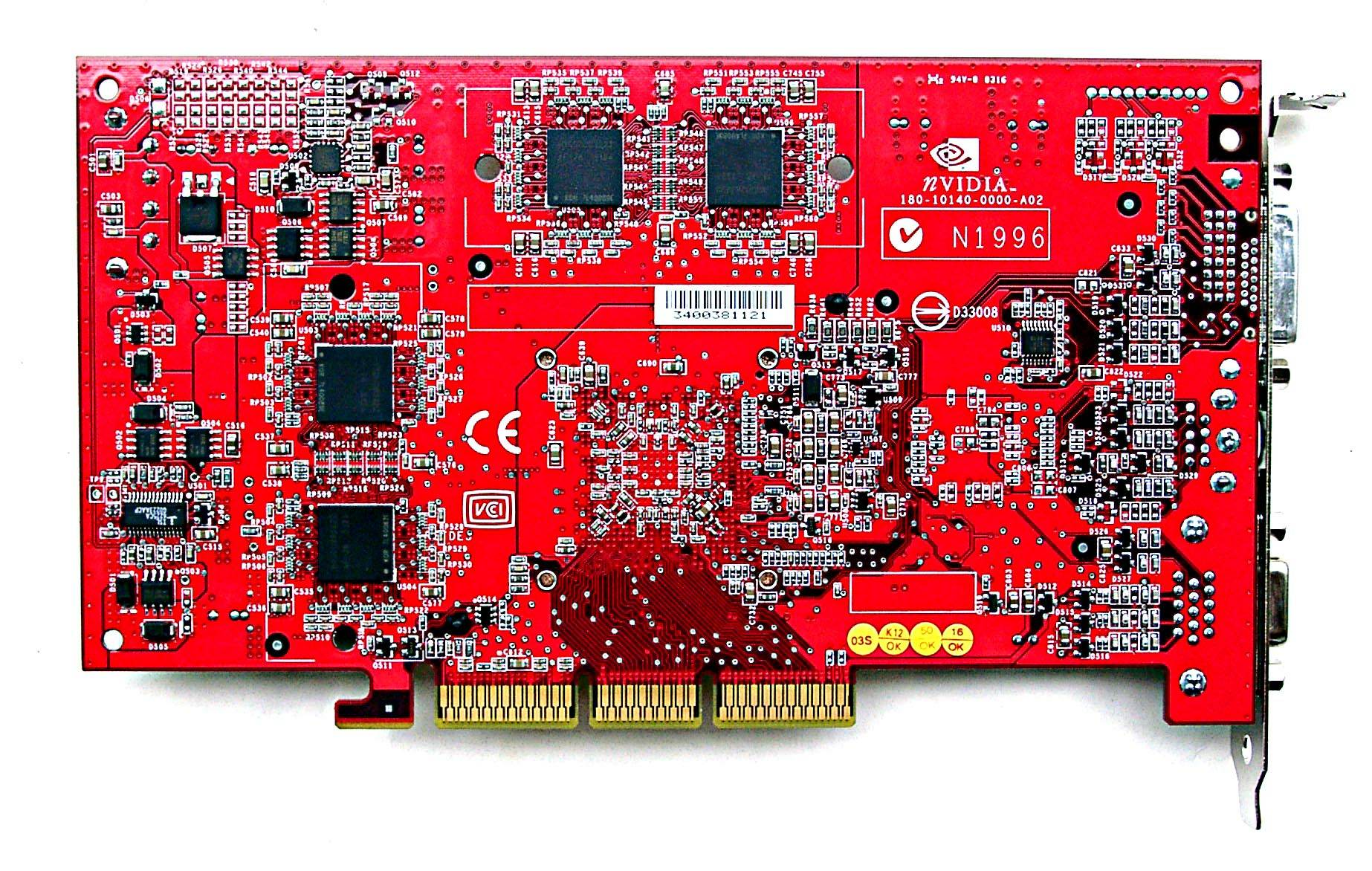
| Comparison with the reference design, back view |
| Albatron Gigi GeForce FX 5200 Ultra 128MB |
Reference card NVIDIA GeForce FX 5200 Ultra |

|

|

|
| Leadtek WinFast A340 Ultra TD 128MB |

|

|
| MSI FX5200 Ultra-TD128 (MS-8923) |

|
|
The cards look simpler than the reference sample. However, NVIDIA could have
changed the reference design for the 5200 Ultra because
both cards on the 5600Ultra and 5200Ultra originally had the same PCB design which
could be adequate to the clock speeds and power of the 5600Ultra and too expensive
for the 5200Ultra. That is why they might have released new revisions for the
5200Ultra. But in general, the reference design is based on the original one judging
by the positions of the chip and by the external power supply connector.
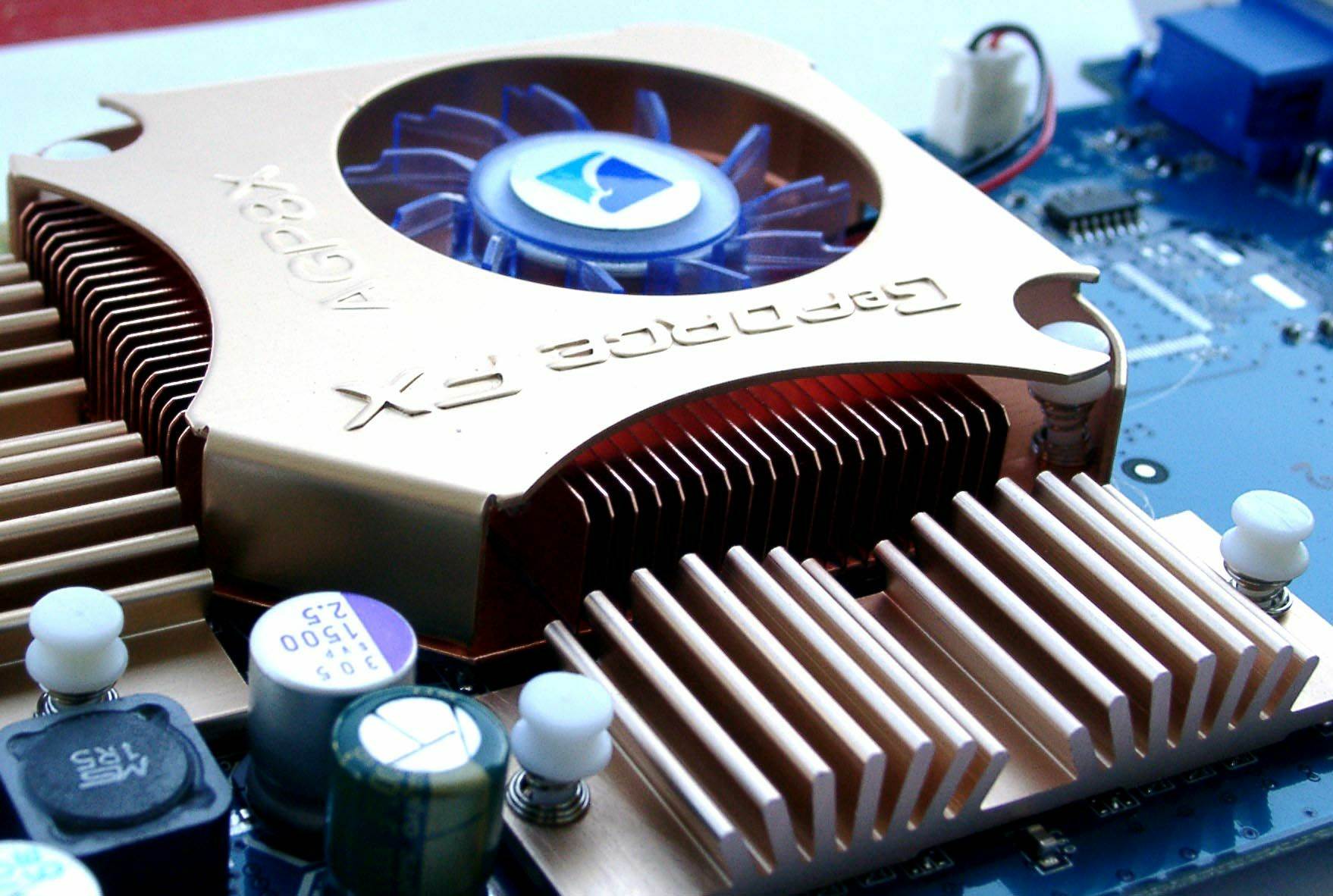
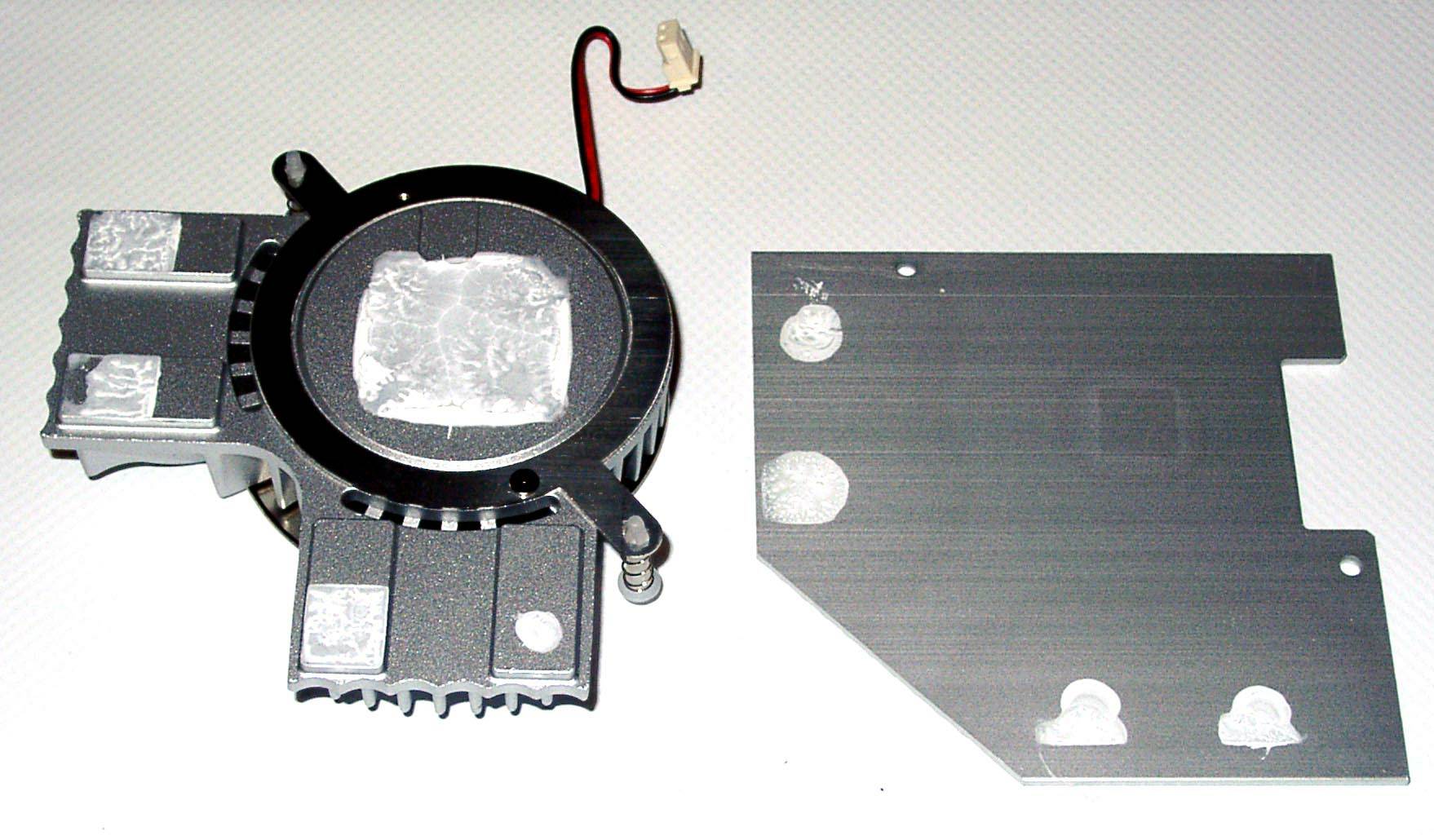
Now the coolers.
| Albatron Gigi GeForce FX 5200 Ultra 128MB |
| The processor has an ordinary cooler "a la" GeForce4 Ti,
with just a cooper heatsink added. The memory chips have heatsinks clipped
to them. |

|

|
| Leadtek WinFast A340 Ultra TD 128MB |
| Leadtek likes unusual coolers. This time they use an effective
and relatively small cooler the heatsink of which covers both the GPU and
the memory chips above. Underneath is an ordinary fin flat heatsink. Above
you can see a grill on the fan. |

|

|
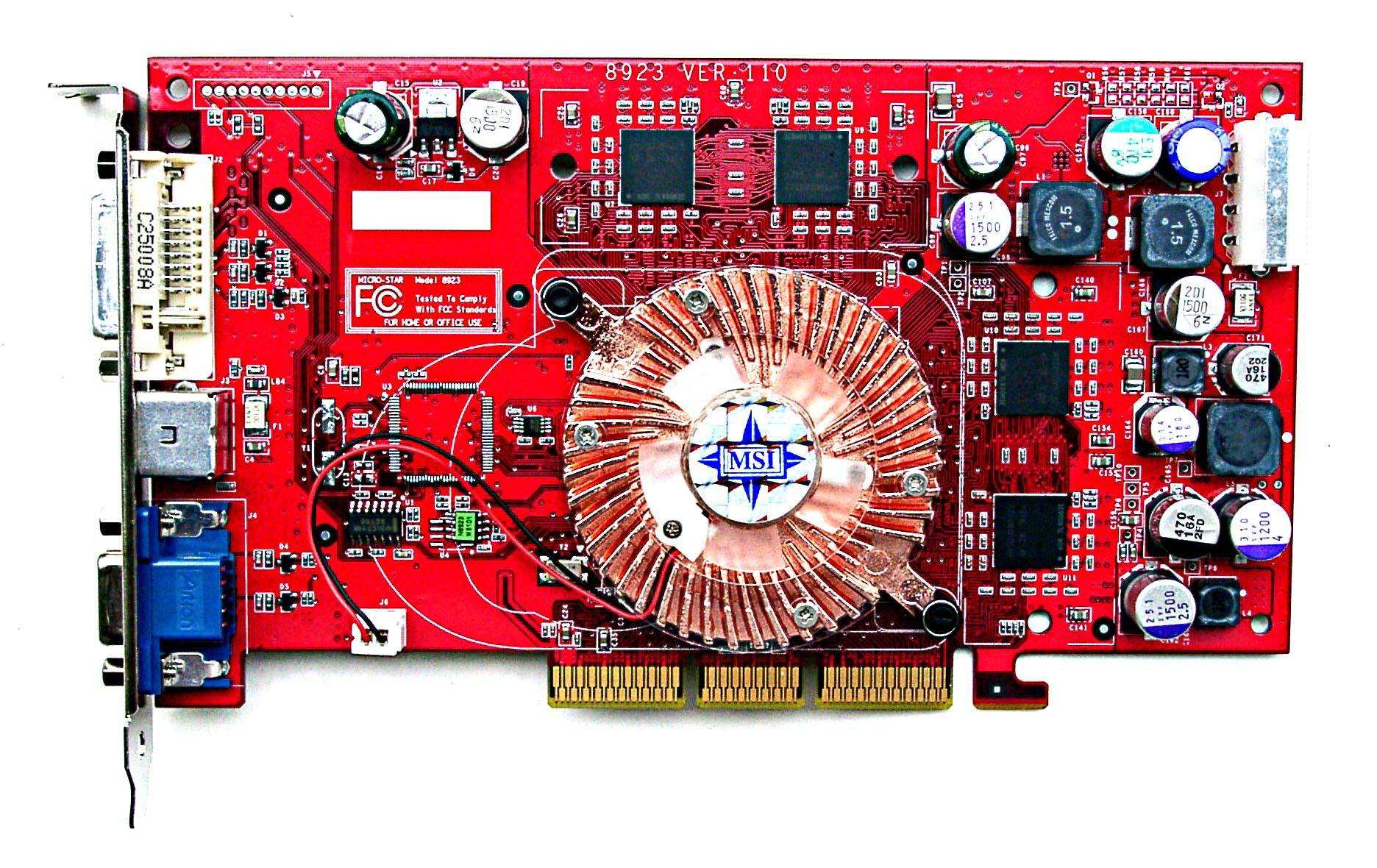
| MSI FX5200 Ultra-TD128 (MS-8923) |
| Here we have a round copper heatsink with a fan in the center. It looks
really attractive (pink copper and red textolite), and works effectively. |

|
Only the Leadtek's card is equipped with the Philips 7114 codec that
controls VIVO:

All the rest use capabilities of the GeForce FX 5200 for TV-out. Aleksei
Samsonov is currently studying TV-out quality of such cards and soon he
will publish the results.
As usual, the GPU GeForce FX 5200 Ultra is located under the coolers:

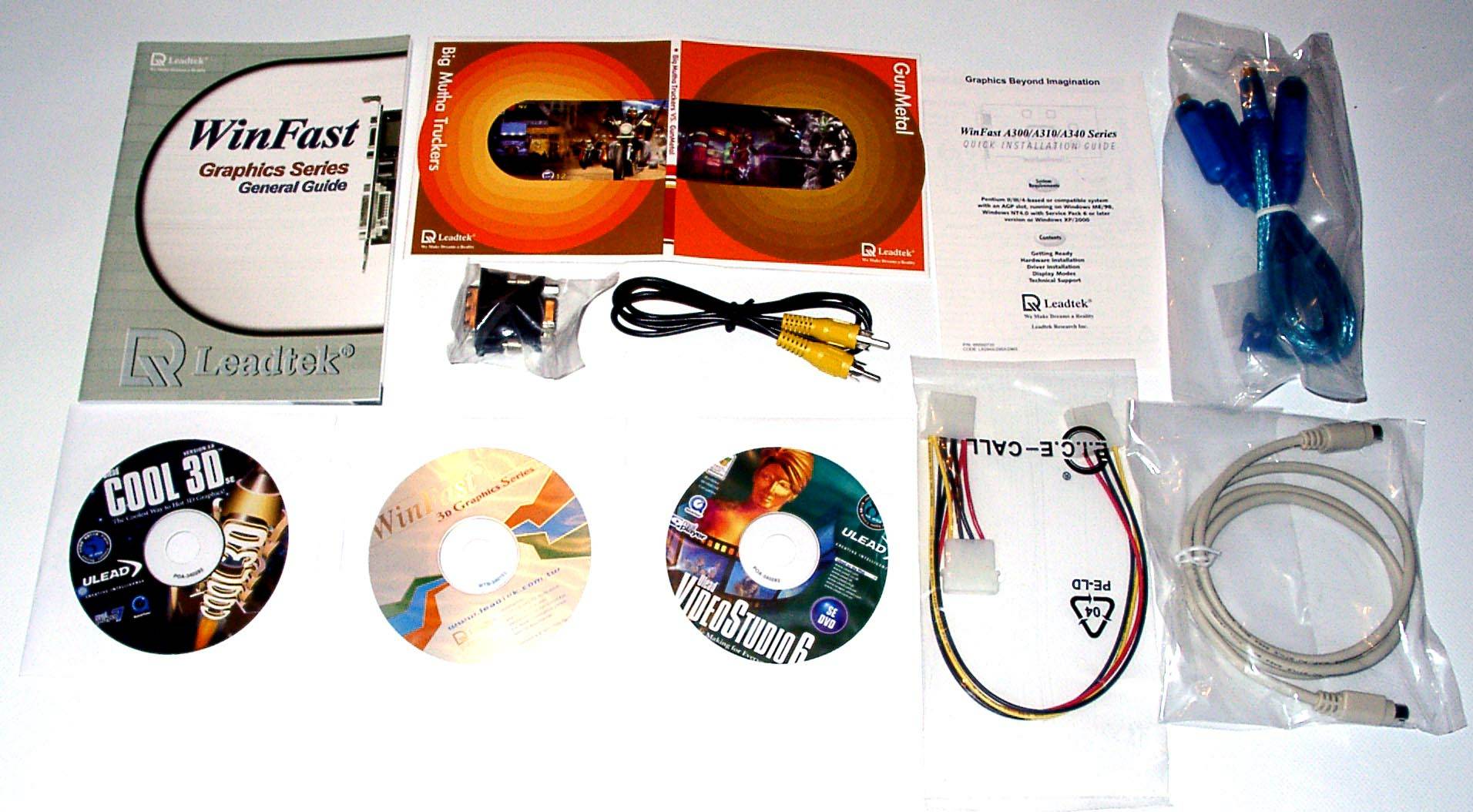
Now let's see what the boxes contain:
|
| Albatron Gigi GeForce FX 5200 Ultra 128MB |
| User Guide, CD with drivers and utilities (including WinDVD), adapters
and extenders for TV-out. |

|
| Leadtek WinFast A340 Ultra TD 128MB |
| User Guide, CD with drivers and utilities, two games, S-Video-to-RCA
adapter, DVI-to-d-Sub adapter, VIVO slitter, VIVO software. |

|
| MSI FX5200 Ultra-TD128 (MS-8923) |
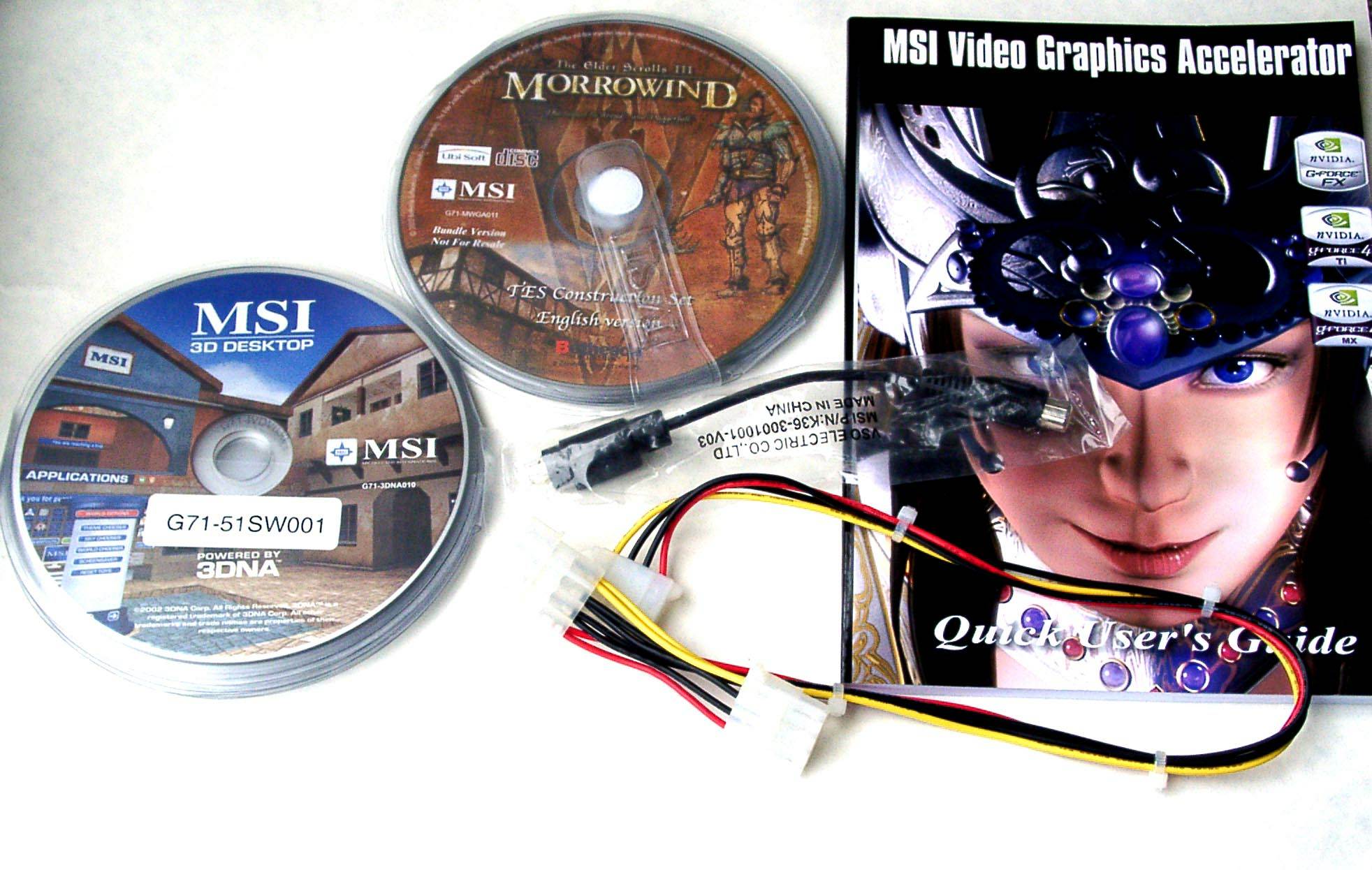
| 11 (!) CDs (they are shown on the second picture), User
Guide and adapters. |

|

|
| All the cards ship in retail packages. |
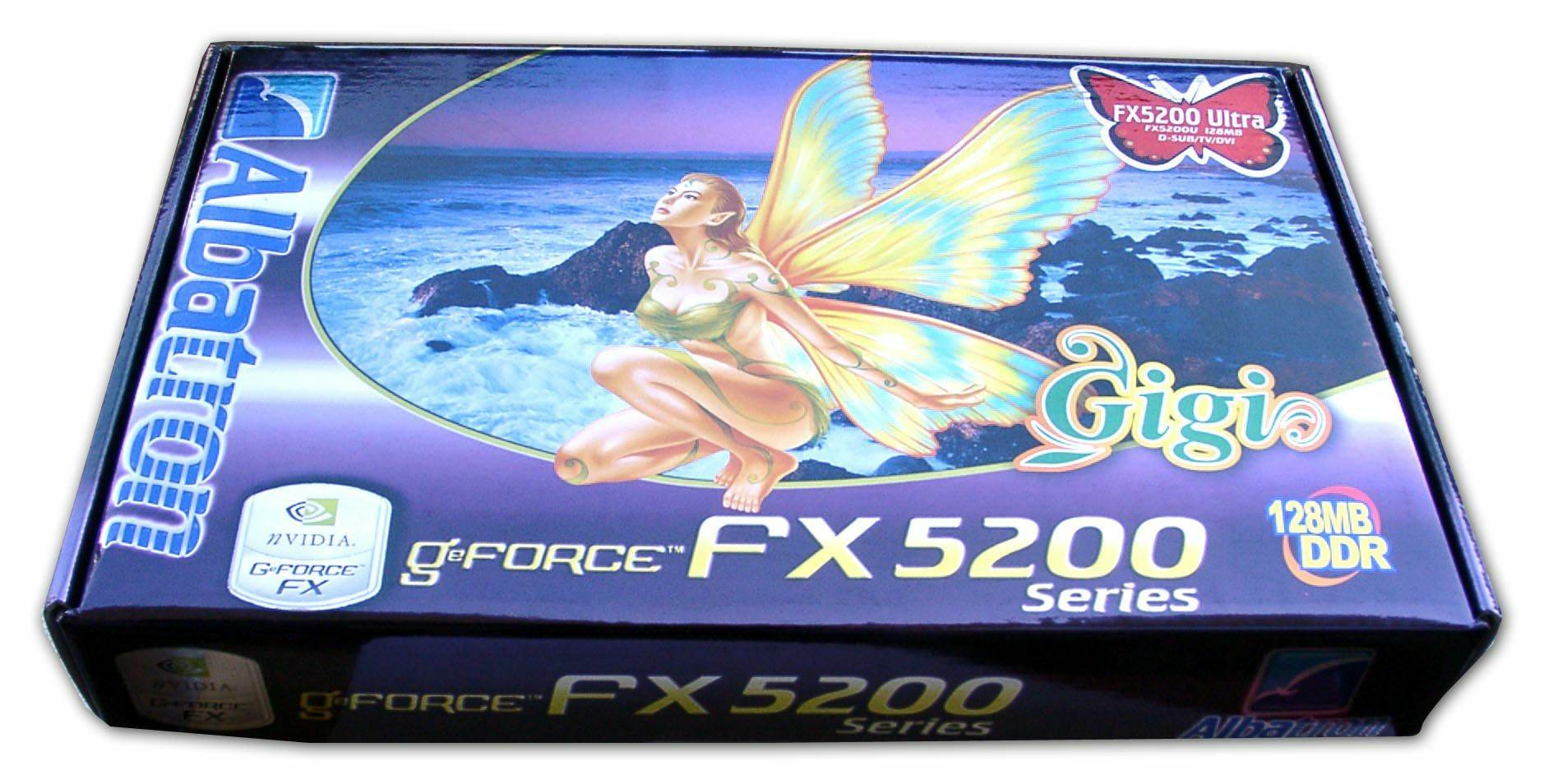
| Albatron Gigi GeForce FX 5200 Ultra 128MB |
| A colorful box with a charming girl pictured on top. The box with its
mirror-glossy surface looks advantageous. |

|
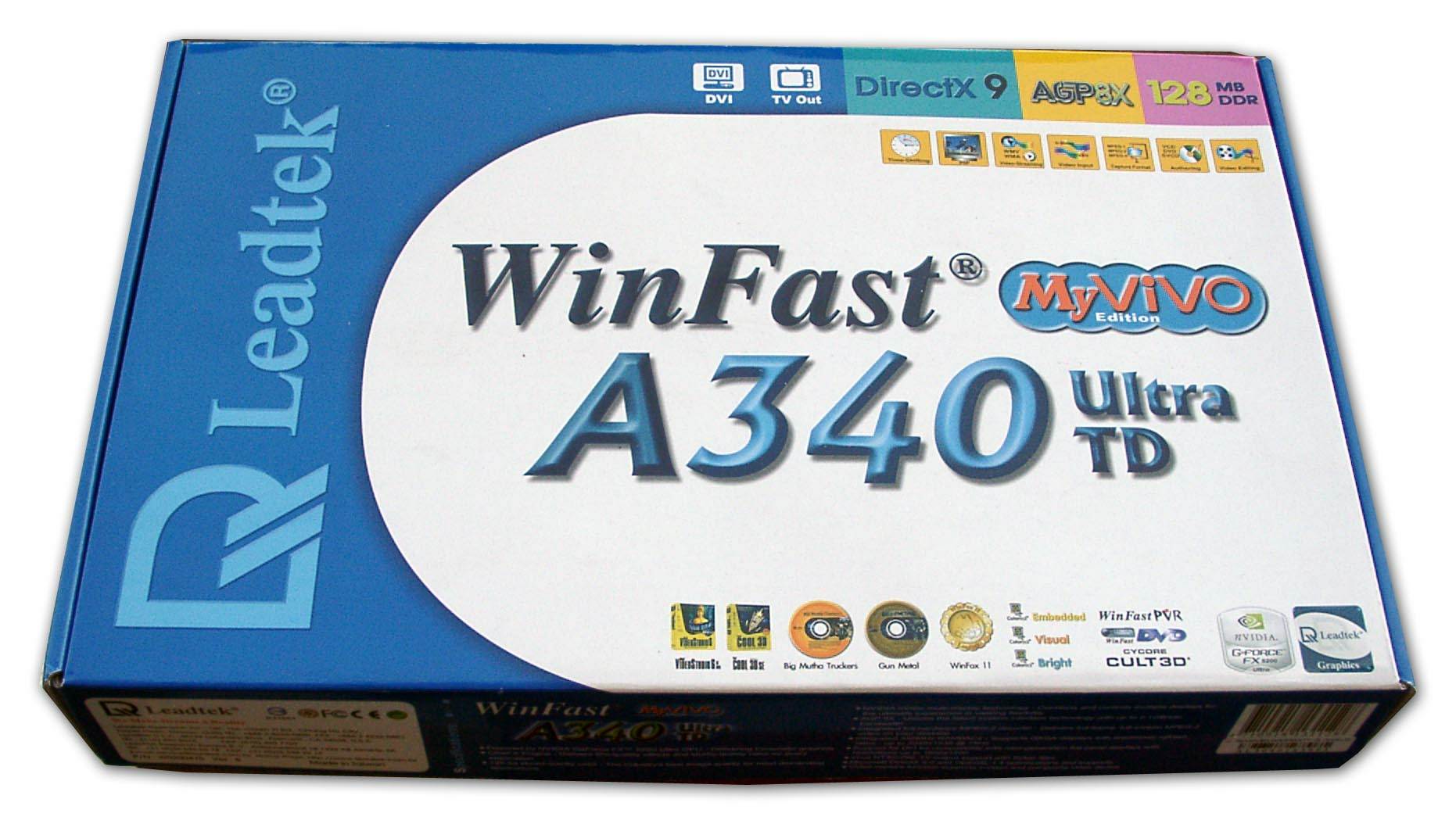
| Leadtek WinFast A340 Ultra TD 128MB |
| This is a stylish austere box not loaded with pictures. |

|
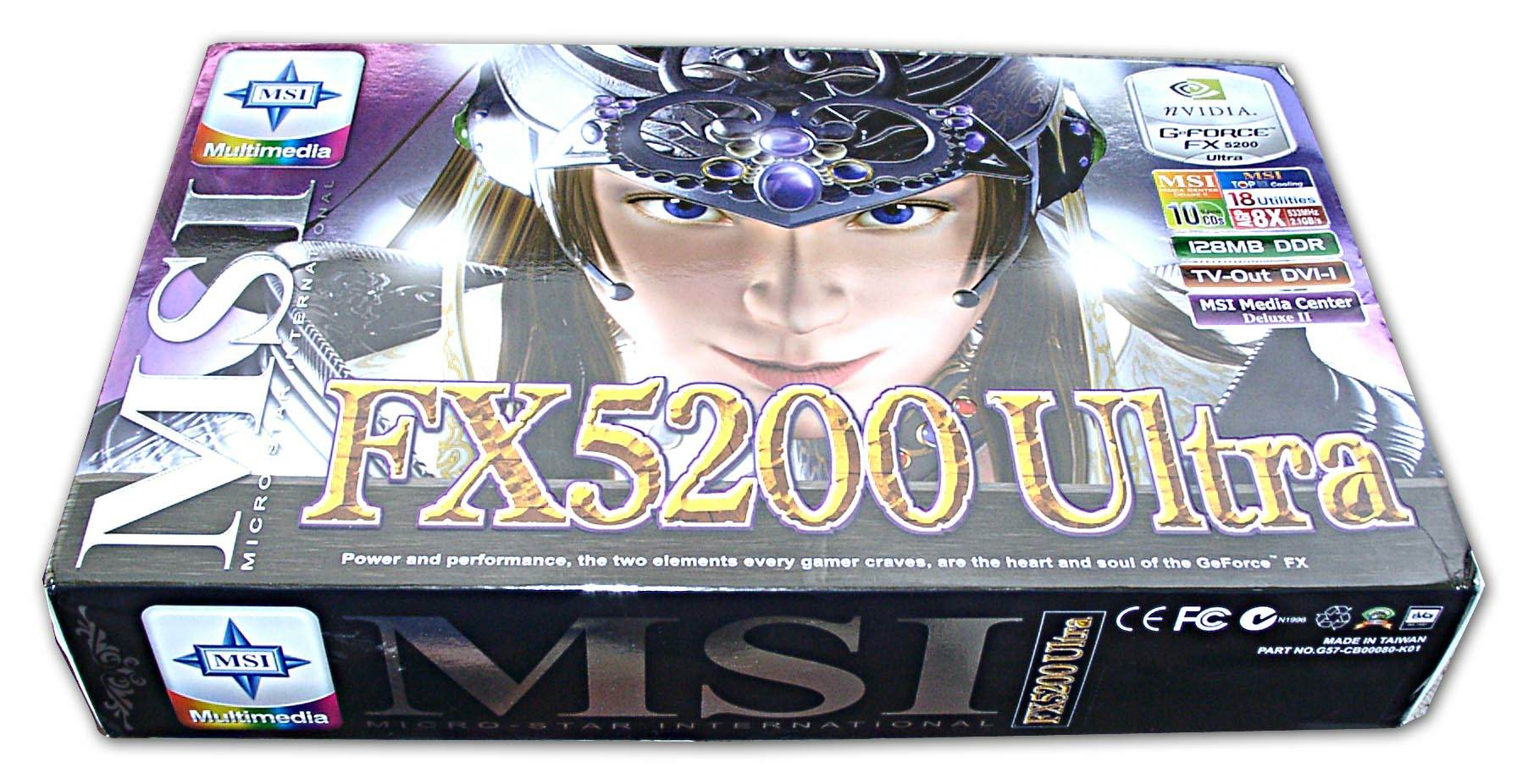
| MSI FX5200 Ultra-TD128 (MS-8923) |
| A beautiful box of the style common for all latest MSI cards. The large
print, clear descriptions make the package informative. The raised printing
looks great. |

|
Testbeds and drivers
Testbed:
-
Pentium 4 3066 MHz based computer:
-
Intel Pentium 4 3066 MHz;
-
ASUS P4G8X (iE7205) mainboard;
-
1024 MB DDR SDRAM;
-
Seagate Barracuda IV 40GB HDD;
-
Windows XP SP1; DirectX 9.0;
-
ViewSonic P810 (21") and ViewSonic P817 (21").
-
NVIDIA drivers v43.51.
VSync off, S3TC off in applications.
The Leadtek's card has very attractive software (all the screenshots
are taken from our previous reviews of the GeForce4 Ti 4200 based cards
because they coincide for all Leadtek's latest cards)! It includes settings
in the drivers,

and the menu manager:

and WinFox utility:

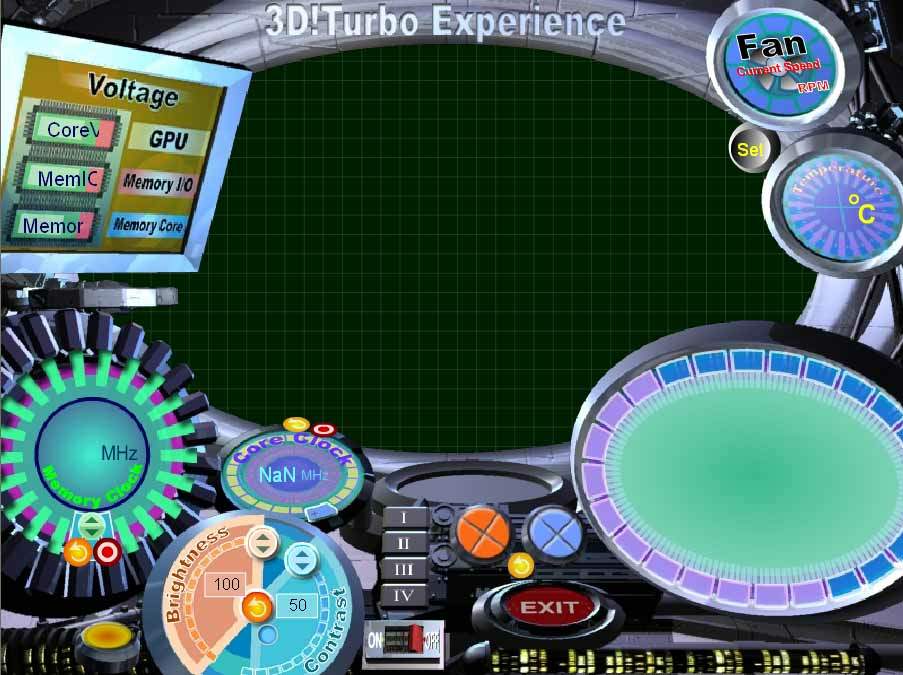
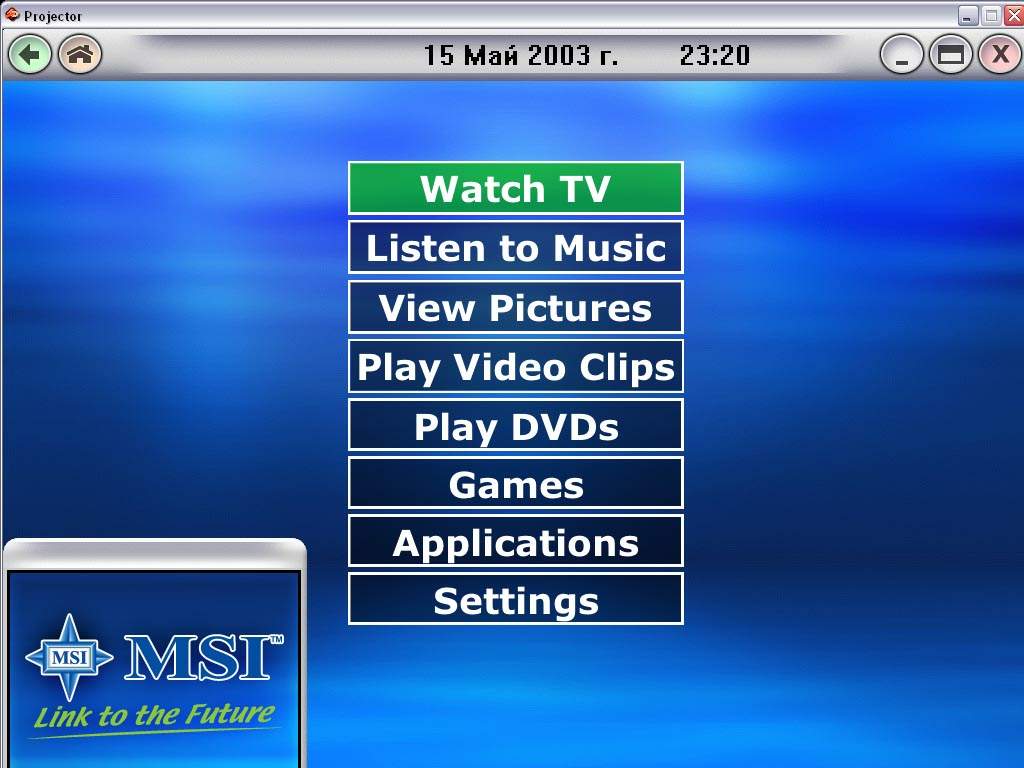
MSI also offers amazingly abundant software. The most interesting utilities
are 3D Turbo

and Media Center Deluxe II:

By the way, there is also a modern DVD player InterVideo WinDVD 5.1.
Test results
Before we start examining 2D quality, I should say there are no complete
techniques for objective 2D quality estimation because:
-
2D quality much depends on certain samples for almost all modern 3D accelerators;
-
Besides videocards, 2D quality depends on monitors and cables;
-
Moreover, certain monitors might not work properly with certain video cards.
As for the samples tested, together with the ViewSonic P817 monitor and BNC
Bargo cable they showed excellent quality at the following resolutions and clock
speeds:
|
| Albatron Gigi GeForce FX 5200 Ultra 128MB |
1600x1200x85Hz, 1280x1024x120Hz, 1024x768x160Hz (the quality
is ok!) |
| Leadtek WinFast A340 Ultra TD 128MB |
1600x1200x85Hz, 1280x1024x120Hz, 1024x768x160Hz (the quality
is ok!) |
| MSI FX5200 Ultra-TD128 (MS-8923) |
1600x1200x85Hz, 1280x1024x120Hz, 1024x768x160Hz (excellent!) |
Test results: comparison of the cards' performance
Test applications:
-
3DMark2001 SE Pro (MadOnion/Remedy) - DirectX 8.0, Hardware
TCL, Game1, Game2, Game3, Game4, Low detail level
3DMark2001, 3DMARKS


3DMark2001, Game 1


3DMark2001, Game 2


3DMark2001, Game 3


3DMark2001, Game 4


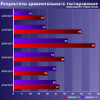
The diagrams and tables make the situation very transparent (the prices
do not match the performance yet. It makes no sense to test many times
in AA and anisotropy modes for cards of this level). Surprisingly, in some
tests the 5200 Ultra catches up with the 5600. What if we overclock it
:-) Only in the heavy game4 the 5200 looks weak in spite of the suffix
Ultra.
All the cards were very stable during the tests (each one worked during
24 hours), and each has good build quality.
Conclusion
-
Albatron Gigi GeForce FX 5200 Ultra 128MB is a copy of the reference card.
There is nothing special in this card. Taking into account traditionally
low prices of this company, this card can be a good choice for those who
want something like RADEON 9000 PRO or RADEON 9500 provided that the prices
are acceptable;
-
Leadtek WinFast A340 Ultra TD 128MB is an interesting solution, it has
a good software kit and a decent cooler (I hope it won't be overpriced);
-
MSI FX5200 Ultra-TD128 (MS-8923) sports the richest software suite; with
the other conditions being equal, this card can be the best choice (MSI's
prices always were moderate).
In our 3Digest you can find full comparison
characteristics for video cards of this and other classes.
Well, the video cards hovering between the Low-End and Middle-End sectors
have their own advantages. As expected, they are speedier than the RADEON
9000 PRO, but their price/performance ratio is worse today. But the prices
may go down. Also remember that they have everything the gourmets may need:
AA and anisotropy to everyone's taste.
Write a comment below. No registration needed!
|
|
 |
|
|
|